



















Contact
Book with confidence through a trusted local platform in Alanya. Easy contact, secure payment and direct support.
COMPANY
FOLLOW US
SECURE PAYMENT METHODS


Pay online or pay on the tour.

 |
 |
 |
| Book online | WhatsApp booking | Pay Later |
| Fast & simple Instant confirmation |
Chat with local expert anytime |
Pay on tour or online |
With 10 years of experience working in tourism in Alanya, I’ve selected the activities and places that visitors should truly experience in the city. As the founder of CertiGo, my goal is to help travelers easily discover reliable tours, local experiences, and the best things to do in Alanya without confusion or hidden surprises.
To help you choose the right experience, some tours are labeled as Budget, Elite, or CertiGo Approved. Here’s what each one means:
CertiGo Approved: The balanced choice. Fair pricing, personally tested by the CertiGo team and selected for quality, reliability and overall satisfaction.
Budget: The focus is price. This is the most economical option for travelers who want the experience at the lowest available cost.
Elite: Higher price, enhanced experience. Typically offers better comfort, smaller groups, upgraded service level or premium atmosphere.
Important note: All tours listed on CertiGo are tested and verified. “CertiGo Approved” highlights the versions we recommend as the best value to experience balance.
Browse all tours and outdoor activities in Alanya
Explore family-friendly tours and activities in Alanya
See all shopping experiences available in Alanya
View trusted dental clinics in Alanya
Discover recommended restaurants and dining options in Alanya
Compare Turkey's top holiday destinations by traveler type, activities and overall experience to find the best fit for your trip.
| Destination | Best For | Beach | History | Nightlife | Family |
|---|---|---|---|---|---|
| ⭐ Alanya | All-rounders, families, long stays | 🏖️🏖️🏖️ | 🏛️🏛️🏛️ | 🎉🎉 | 👨👩👧👨👩👧👨👩👧 |
| Istanbul | Culture lovers, city explorers | — | 🏛️🏛️🏛️ | 🎉🎉🎉 | 👨👩👧 |
| Antalya City | City + beach combo, shopping | 🏖️🏖️ | 🏛️🏛️🏛️ | 🎉🎉🎉 | 👨👩👧👨👩👧 |
| Side | History lovers, romantic getaways | 🏖️🏖️ | 🏛️🏛️🏛️ | 🎉 | 👨👩👧👨👩👧 |
| Lara / Kundu | Luxury resorts, all-inclusive | 🏖️🏖️🏖️ | 🏛️ | 🎉 | 👨👩👧👨👩👧👨👩👧 |
| Belek | Golf, luxury, sports tourism | 🏖️🏖️ | 🏛️ | 🎉 | 👨👩👧👨👩👧 |
| Kemer | Nature lovers, budget travelers | 🏖️🏖️ | 🏛️🏛️ | 🎉🎉 | 👨👩👧👨👩👧 |
| Cappadocia | Unique landscapes, balloons, couples | — | 🏛️🏛️🏛️ | — | 👨👩👧 |
| Bodrum | Nightlife, yacht culture, upscale | 🏖️🏖️ | 🏛️🏛️ | 🎉🎉🎉 | 👨👩👧 |
| Fethiye | Nature, hiking, Ölüdeniz seekers | 🏖️🏖️🏖️ | 🏛️🏛️ | 🎉 | 👨👩👧👨👩👧 |
| Marmaris | Party seekers, British tourists | 🏖️🏖️ | 🏛️ | 🎉🎉🎉 | 👨👩👧 |
Alanya is made up of several coastal and residential areas, each offering different experiences, accommodation styles and nearby activities. Explore what to do in each region and discover tours, shopping, dining and local services available nearby.
Most visitors need at least 4–5 days to experience Alanya comfortably. This allows time for boat trips, nature tours, city highlights and relaxation. A structured overview of recommended activities can be found on the 10 Things to Do in Alanya guide.
First-time visitors usually start with coastal experiences and sightseeing. Popular choices include boat tours, city tours and easy half-day excursions before moving on to adventure or wellness activities.
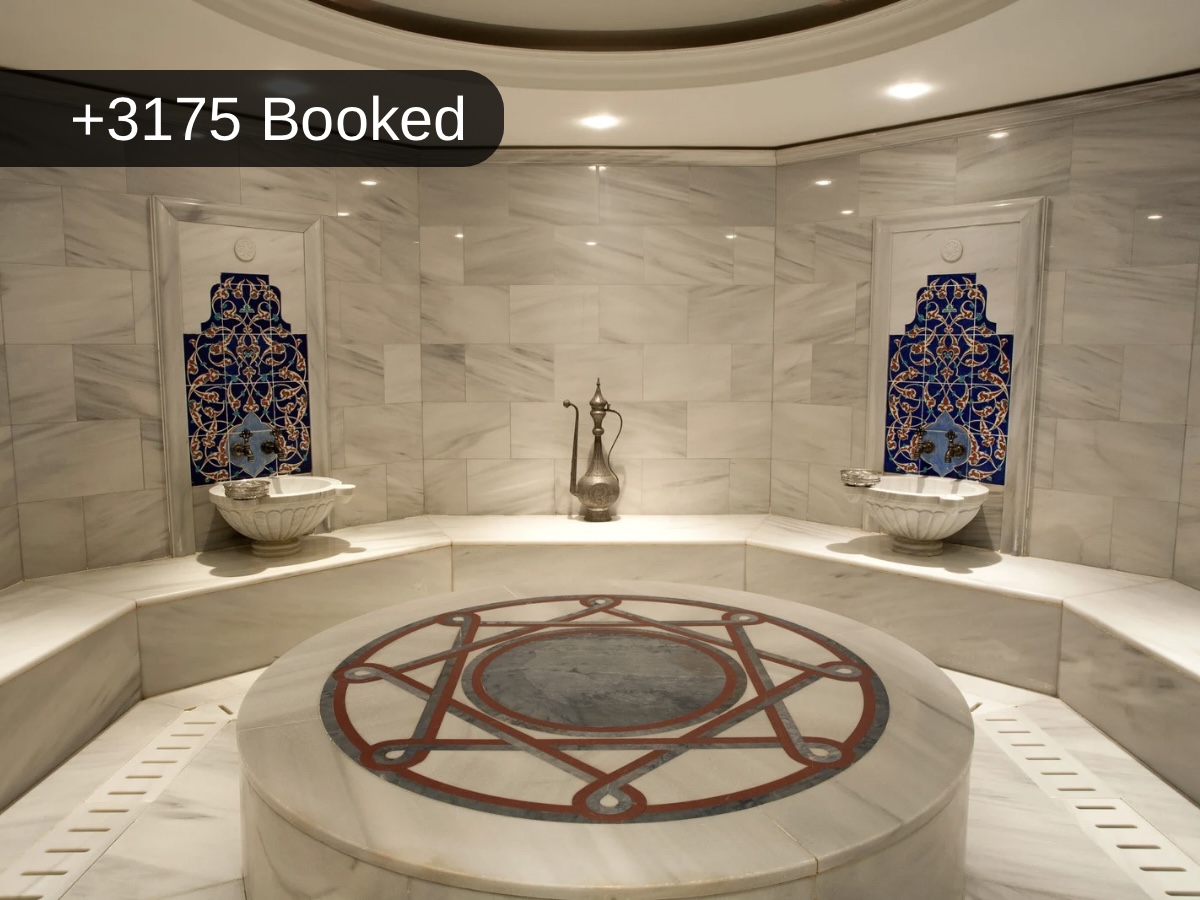
Yes. Many visitors combine morning activities with afternoon or evening experiences. For example, a day cruise can be followed by a spa visit at a Turkish Bath, or nature trips like Sapadere Canyon can be paired with relaxed dining.
Absolutely. Alanya is not only about adventure. Visitors who prefer a slower pace can enjoy scenic cruises, cultural sightseeing, shopping visits and organized dining. A full overview of balanced options is available on the Alanya Tours page.
Summer visitors focus mainly on sea activities and outdoor tours, while winter guests prefer sightseeing, spa experiences and shopping. Seasonal recommendations are always reflected on the Alanya Things to Do page.
Transportation is simple, as many tours and services include hotel pickup and drop-off. Airport arrivals are also well-organized via Antalya–Alanya Airport Transfers, making planning smooth from arrival to departure.
Yes. Many visitors combine their holiday with local services such as organized shopping, dental care or tattoo studios. Trusted options can be explored through the Shopping Guide, Dental Clinics and Tattoo Shops pages.
Alanya is not just a beach destination on the Turkish Riviera. It is one of Turkey’s most developed tourism districts, but at the same time it is also a functioning city with daily rhythm, local markets, residential neighborhoods, shopping infrastructure, a real property market and a year-round population that makes it feel more permanent than many seasonal resort zones. That scale is the first thing people should understand before judging Alanya by only one beach, one hotel or one short holiday impression.
This matters because Alanya works on several levels at once. For some travelers it is a classic sun-and-sea holiday base. For others it is a practical long-stay destination with easy daily shopping, strong public life and international familiarity. For investors and people thinking about relocation, it is also one of the most active coastal housing markets in southern Turkey. A strong Alanya page should not reduce the city to “castle, beach and boat trips.” It should explain how the city actually works.
The biggest mistake people make with Alanya is trying to classify it too simply. It is not only a resort town, but it is not only a “real local city” either. Alanya is strongest when you understand it as a hybrid Mediterranean system: tourism, residence, trade, coastal life, old history and everyday convenience all stacked together in one place.
On the southern coast of Türkiye, Alanya stands out because it combines recognizability with scale. It is not a tiny boutique destination and it is not a purely domestic summer town. It has a strong international tourism identity, a large accommodation base, a working urban center, and direct airport-linked accessibility that changed its growth path dramatically. Gazipaşa-Alanya Airport sits much closer to the center than Antalya Airport, helping cut transfer time and making the destination easier for short stays, package holidays and repeat visitors.
That accessibility helped Alanya become more than a one-season postcard destination. The city now functions as a layered tourism economy: beach hotels, family resorts, excursion sales, shopping, nightlife, medical tourism, sports tourism and long-stay foreign residents all sit inside the same urban ecosystem. This is one reason Alanya feels more complete than many smaller coastal destinations that depend almost entirely on a single summer rhythm.
Alanya does not feel like one uniform place. The historic peninsula, harbor and Cleopatra side feel very different from eastern residential belts like Oba, Tosmur or Mahmutlar, and different again from western hotel-heavy corridors such as Konaklı, Payallar and Türkler. This is one of the city’s real strengths. You can stay in a resort-heavy zone, visit a historic fortress, spend time in a modern shopping district, have dinner near the marina and still end the day in a normal local neighborhood market. The city’s diversity is practical, not theoretical.
The center feels alive rather than decorative. Alanya has tourist polish, but it is not built only for postcards. Streets function, bazaars function, transport functions, shopping centers function, and residential life is visible. That is why some visitors fall in love with Alanya not because it is the most “untouched” destination on the Mediterranean, but because it is one of the easiest places to actually live your days without friction.
If one beach defines Alanya internationally, it is Cleopatra Beach. The Cleopatra–Damlataş coastline is one of the city’s most iconic seaside stretches, known for wide beach sections, clear water and its direct relationship with the castle peninsula and Damlataş Cave. This is the beach most first-time visitors picture when they think of central Alanya.
Damlataş Beach matters because it connects beach time with cave, cable car, museum and castle access. It is one of the rare places in Alanya where swimming, sightseeing and urban movement merge in a compact area. That makes it especially strong for visitors who want more than a hotel shoreline.
One of the biggest content mistakes is pretending all Alanya beaches are the same. They are not. Along the district, sea entry and beach surface can vary between softer sand, mixed shoreline and more managed hotel-front beach systems. Visitors who care a lot about easy family swimming usually compare districts carefully rather than assuming the whole coast feels identical.
A real authority page should also be honest that central Alanya is not the whole story. Guests often combine city beaches like Cleopatra with other coastal options west of the center, especially when they want a different sea-entry feel or a more relaxed beach day. In practice, many informed visitors use Alanya city as the base and then choose beaches according to the day, not according to one rigid “best beach” narrative.
The core historical advantage of Alanya is the peninsula system. Alanya Castle is not a decorative ruin on a hill; it is a major fortress complex surrounded by roughly 6 kilometers of walls and shaped by Hellenistic, Roman, Byzantine, Seljuk and Ottoman periods. This is what gives Alanya visual authority from almost every angle of the city. The castle is not just a sight. It is the city’s anchor.
Below that, the Red Tower and the Seljuk Shipyard strengthen the harbor zone with real medieval maritime history. The Red Tower is one of the most distinctive 13th-century Mediterranean defense structures, built to protect the harbor, shipyard and castle. The shipyard, completed in 1228, was central to Seljuk naval power and remains one of the city’s most important architectural-historical assets.
Then there is Damlataş Cave, discovered during harbor works and still one of the best-known natural attractions in the city center. Add the Archaeological Museum, the cable car route up to the fortress, and more distant ancient sites such as Naula and Syedra, and Alanya becomes much more than a standard package-holiday coast.
| Area | Highlights | Best For |
|---|---|---|
| Historic Peninsula | Castle, views, old town | First-time visitors |
| City Beaches | Cleopatra, Damlataş | Beach + city lovers |
| Residential Areas | Local life, apartments | Expats, long stays |
| Resort Zones | Hotels, holiday flow | Families, packages |
One reason Alanya performs so well as a destination is that different districts serve different types of guests. Cleopatra side and the center work for people who want walkability, iconic views and fast access to the city’s main attractions. Oba and Cikcilli feel more everyday-residential and shopping-friendly. Mahmutlar is denser, more apartment-led and strongly shaped by long-stay and international residential life. Kestel is calmer and more low-rise in feel. Konaklı and further west are more resort-and-convenience driven. This district variety makes Alanya easy to sell to very different audiences without forcing one identity on everyone.
Alanya is strong in shopping not because it is a luxury-fashion city, but because the city gives visitors several layers of shopping behavior: weekly bazaars, tourist textiles, souvenir trade, practical daily retail and formal shopping centers. The Friday Bazaar in the center is one of the best-known weekly markets, while district markets spread the rhythm across the week. That is extremely useful for both tourists and residents.
For mall-style shopping, Alanyum is the clearest city-center modern retail point, while Time Center gives Konaklı and the western hotel corridor a more organized shopping option. Alanyum remains one of the city’s best-known established malls, while Time Center is practical for the western side and hotel-heavy zones.
The market system is one of the best clues that Alanya is not just a staged tourist town. Weekly bazaars are still social and economic meeting points. They matter for fresh produce, clothing, practical household items, local food habits and street-level contact with the city. For long-stay visitors, knowing market days changes daily life. For tourists, markets offer one of the easiest ways to step outside the hotel bubble without needing a full cultural program.
Alanya’s hotel strength is scale plus distribution. The destination has large resort corridors, central-city hotels, family all-inclusives, apartment stays and more residential-style options. That range is one reason the city works for couples, families, solo travelers, package-holiday buyers and repeat long-stay guests at the same time. The high bed capacity also explains why hotel zones west of the center and denser residential-tourism zones to the east both remain commercially important.
The honest advice is this: in Alanya, “best hotel area” depends heavily on holiday style. Guests wanting iconic city access usually benefit from center or Cleopatra positioning. Guests wanting large family resorts often lean west. Guests wanting apartment living and daily routine often choose the eastern side. This is why a strong authority page should explain area logic, not just list hotels blindly.
Alanya has a real nightlife structure, especially around the harbor, marina-facing dining zones, rooftop restaurants and beach-club style evening venues. The city’s night scene is broad rather than one-dimensional: rooftop dinners with castle views, waterfront dining, open-air dancing, cocktail spots and late-night Turkish soup houses and grill restaurants. That mix matters because it means nightlife here is not only clubbing. It also includes scenic dining, social harbor evenings and casual local after-hours food culture.
Alanya’s café culture is not as globally branded as Istanbul’s or İzmir’s, but that is not really the point. The social pattern here is spread across seafront tea-and-coffee stops, pastry and breakfast places, harbor-facing sit-down venues, neighborhood cafés and hotel-area social points. In practice, Alanya works best as a city where casual café life is built into the daily route rather than concentrated into one famous quarter. The center, harbor and denser residential districts all contribute to this.
Alanya is easier to move around than many first-time visitors expect. Walking, cycling, public buses, taxis, cable car access in the center, and private-vehicle flexibility all play a role across the wider district. Gazipaşa-Alanya Airport improves access significantly, and for a short city-centered holiday many people do not need a rental car every day. But for guests wanting to combine western resort zones, eastern neighborhoods, canyon routes and more independent beach movement, car rental becomes much more useful.
No city should be sold with unreal “perfect safety” language, but Alanya is generally experienced as a comfortable coastal environment, especially in tourism and residential areas, with the normal precautions that apply in any active city. The more useful way to explain safety is this: most visitors experience Alanya as easy to navigate, socially active and comfortable for holiday life, but normal awareness still matters in nightlife zones, traffic, cash transactions and seasonal crowd areas.
Alanya is widely considered one of the safer and more stable holiday destinations on Turkey’s Mediterranean coast. Current official travel advisories focus their highest concern on southeast Türkiye and border-related risk areas, not on Alanya specifically. Like any active tourism destination, travelers should still follow current news, local authority guidance and normal safety precautions, but Alanya continues to operate as a major holiday city with hotels, beaches, tours and daily life functioning normally.
One of the most realistic ways to position Alanya today is to say that it still offers broad value, but it is not the ultra-cheap Mediterranean coast many people imagine from old travel stories. Prices vary heavily by district, season, sea proximity, hotel class and whether you shop in tourist corridors or local daily-life areas. Markets remain one of the better-value parts of city life, while seafront and tourism-heavy zones naturally price higher. In other words, Alanya still works well for value seekers, but smart local positioning matters more than ever.
Alanya’s property market is active enough that broad price ranges matter more than single “average apartment” claims. Entry-level and mid-market apartments can vary a lot depending on district, building age, furnishing, sea proximity and site quality. The same is true for rent. Long-term rentals differ heavily by area and condition, which means coastal living in Alanya still has flexibility, but serious prime-location living is no longer cheap.
The correct way to explain the housing market is that Alanya has a real year-round property economy, not just holiday inventory. That is one of the reasons people move from being short-term visitors to long-term residents.
Living in Alanya is easier than many outsiders expect because the city already has infrastructure for both visitors and residents: shopping, neighborhoods, health access, transport, airport links, social life and an international population mix. This makes it especially attractive for retirees, remote workers, seasonal residents and people who want sea access without giving up normal city habits. The downside is that not every district feels equally soulful, and some long-stay residents eventually notice the difference between a tourism-shaped neighborhood and a more rooted local environment.
The local-life side of Alanya is not hidden, but it is distributed. You find it in markets, ordinary apartment districts, tea gardens, transport routes, local shops and neighborhood rhythm rather than in one single “authentic quarter.” That makes Alanya less theatrical than some destinations, but more livable in the long run.
Alanya is a filtering city. People arrive with very different needs: beach, tours, shopping, dinner, nightlife, family planning, local services, even long-stay questions. That is exactly why a platform like CertiGo fits. Alanya does not need generic inspiration. It needs sorting, matching and local clarity.
Alanya is strongest for travelers who want options: beach plus city, resort plus history, hotel comfort plus practical shopping, nightlife plus day trips, or holiday use plus future living potential. It works very well for families, repeat Mediterranean travelers, mixed-age groups, long-stay visitors and people who want structure rather than chaos. It is less ideal for travelers chasing a tiny untouched fishing-village fantasy or an ultra-luxury urban-coastal scene.
The smartest positioning is not “Alanya has everything” in a lazy generic way. The better positioning is this: Alanya is one of the few Turkish Mediterranean destinations where beaches, fortress history, active tourism infrastructure, district diversity, weekly markets, shopping, nightlife, airport access and long-stay livability all work together in one system. That is why it keeps attracting both holidaymakers and people who come back for longer stays.
For an authority page, that is the truth-based angle that wins. Alanya is not perfect in every category. But as a complete coastal city, it is far more powerful than a normal resort strip. And that is exactly why it deserves a deeper, more intelligent page than most websites currently give it.
Thoughtful thoughts to your inbox
Free Cancellation: Most tours offer free cancellation with a full refund up to 24 hours before the activity start time.
Secure Booking: Reserve online or pay on the tour. All prices are transparent and confirmed before the activity.
Hotel Pick-Up: Many tours include free hotel pick-up across Alanya districts including Mahmutlar, Oba, Konaklı, Avsallar and surrounding areas.
Local Platform: CertiGo connects travelers with verified local operators and trusted businesses in Alanya.
Trusted by Travelers: More than 50,000 visitors have used CertiGo to explore tours and experiences in Alanya since 2023.
Special Circumstances: In case of medical emergencies, hospital reports or unexpected situations, please contact us as soon as possible. Our team will review the case and assist with possible refunds or changes.
Operator Responsibility: Tours and activities are operated by independent local providers responsible for safety, equipment and service delivery.
© 2023–2026 CertiGo. All rights reserved.